

Building a robot has many, many steps. There’s designing it, with endless sketches and scrapped plans. Then, there’s building it. After that, there’s coding. And finally, testing it again and again. Robots take time, especially if the goal is to enter it in a contest. What takes even more time is building a robotics competition.
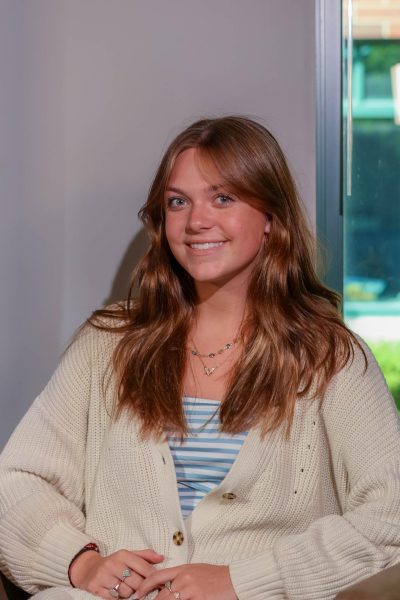
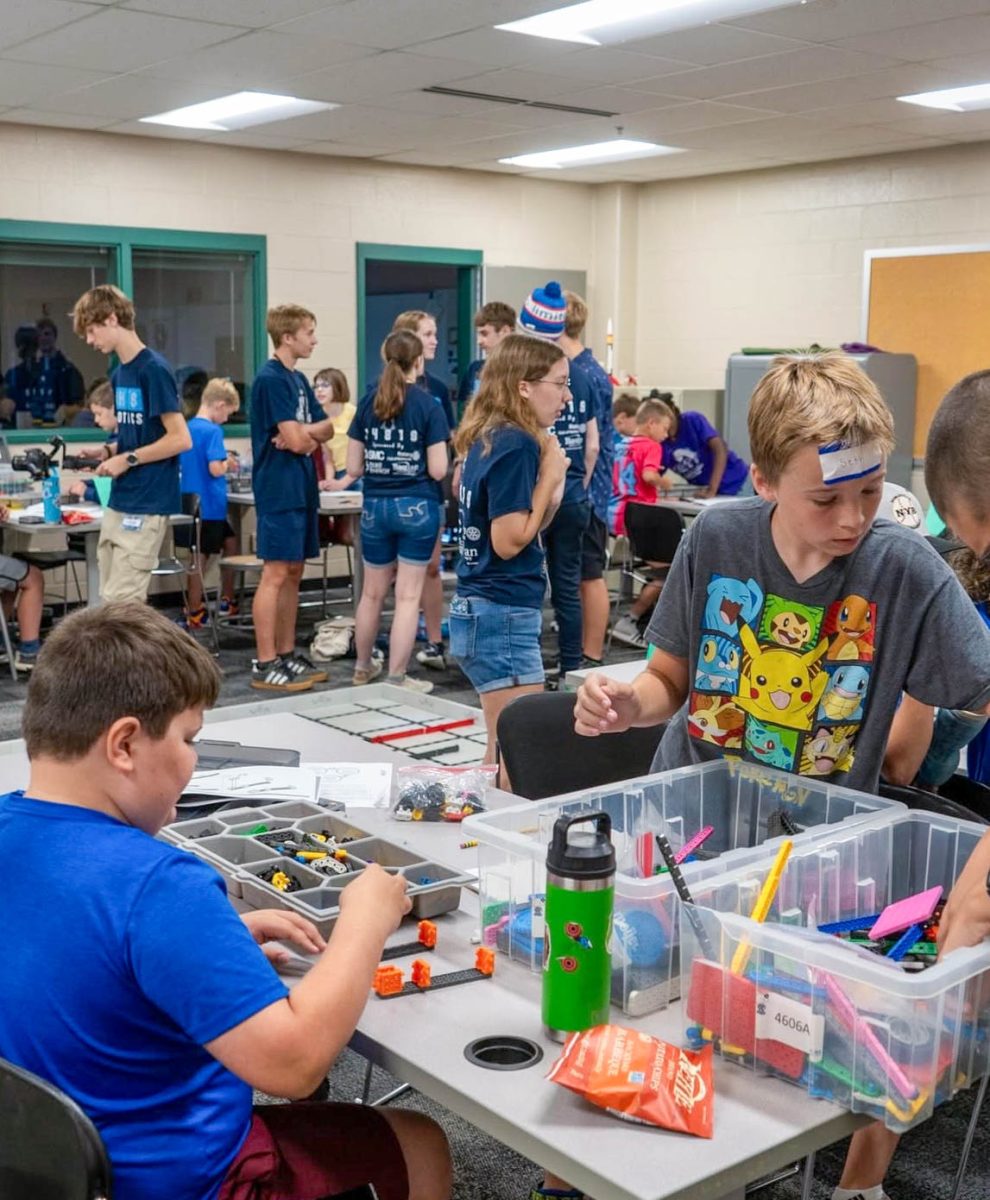
NHS Robotics is planning their second annual Noblesville VEX IQ Robotics Competition. The competition is exclusively for elementary school teams, so senior Paela Madsen, the captain of the Robotics Team, and sophomore Bridget Ballard, started the contest to give youth their own opportunity. But both captains believe that they couldn’t do it without a lot of help and hard work.
“I started doing robotics when I was in fourth grade, and it was so fundamental to who I am today,” Madsen said. “Something that we noticed as we started reaching out to the community, [and] once we had our club established, was a lot of competitions for IQ, which is the elementary and middle school level, were blended.”
According to the captains, competing in blended events—ones that are for both elementary school teams and middle schools teams—can be stressful for elementary schoolers. Rebecca Madsen, who’s in charge of getting the competition started, says that blended events can scare kids away from a valuable experience. She believes blended events can keep them away from STEM education, which she has seen teach kids how to think through problems and stick with an idea, even when it’s hard.
“It’s important that we get kids interested in STEM,” Ballard said. “It isn’t just building things. It’s a way of working through problems. You’re building skills that you will use throughout the rest of your life, no matter if you go into a STEM field or if you don’t.”
Paela says that starting a competition isn’t as easy as sending out an invite. There’s more than a few hoops to jump through before the planning starts. A few different responsibilities fall on Rebecca Madsen.
“I’m in charge of coordinating and planning,” Rebecca said. “I had to read and watch training materials and take a certification test, and then coordinate with the Indiana regional support manager to get our event officially scheduled and listed.”
After getting the event scheduled, the long process of finding volunteers beg. Robotics competitions also need volunteers to run. That means many roles that need to be filled, whether it’s running concessions or judging,
“We have to beg people,” Ballard said. “We reach out to members of our club first, and the difficult part of that is that a lot of the positions require you to be over 18. We also reach out to Key Club and Leo Club for volunteers.”
The competition provides practice for elementary school robotics teams, but that isn’t the only benefit that comes from this competition. Last year, the elementary school competition raised $2,000.
“We donate all of the money that we get back to elementary schools in our school district,” Paela said. “That way they can start a club or buy new kits or be able to attend a competition. We have a grant set up for the money we make in these competitions.”
All of this work goes towards making sure elementary schoolers interested in robotics are able to attend competitions and feel comfortable. High school robotics members believe this opportunity gives kids an opening into a world they might not have been a part of otherwise.
“It’s important to make these activities fun for kids without telling them ‘Oh, you have to be an engineer because you’re in Robotics,’” Ballard said. “ It isn’t just building things. It’s a way of working through problems. Explaining that impacts so much more than we realize.”