

Fans roar as the final buzzer echoes through the joyous stadium. Thousands of avid basketball fans celebrate their new NBA champion by storming the court, throwing their drinks, and cheering for the cameras. The key difference between this boasting event and others across the country is that one receives an abundance of sports media coverage, while the other is almost completely overlooked. But what could possibly make an event more successful in the sports world? Male athletes.
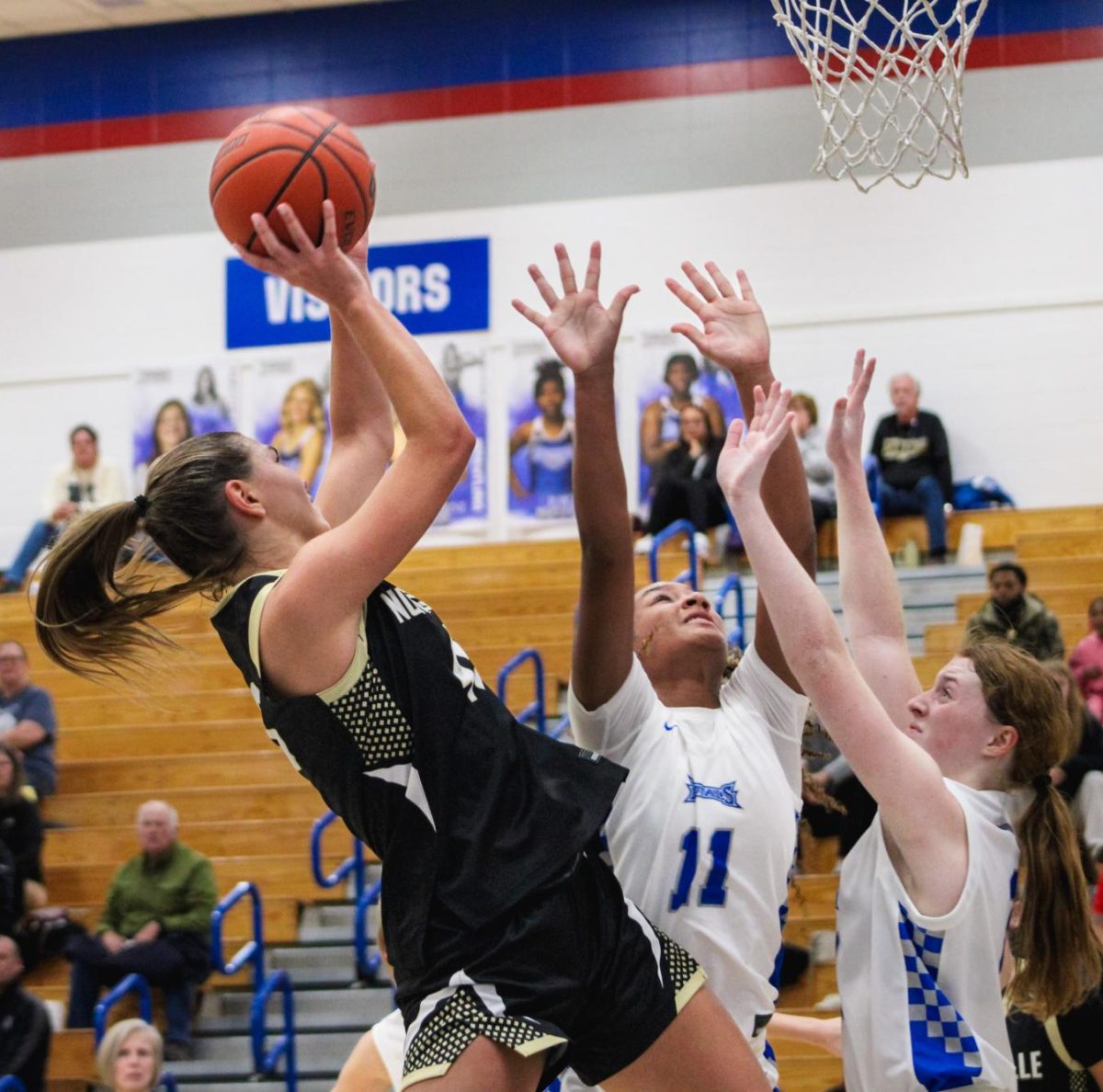
Whether an NBA or WNBA fan, sports are a core principle of community bonding — something humans rely on for multiple reasons. Sports promote solidarity, wellness, emotional connection, and an overwhelming sense of pride within humans. Despite these powerful attributes, women’s sports have consistently been less culturally appreciated than men’s sports. Both genders compete in their respective leagues and fight to win their association’s national championship; yet, the reactions to women’s success in sports rarely match the admiration given to male athletes. As the 21st century advances, it becomes increasingly more important that women’s sports receive equal recognition and media coverage.
One of the major factors in sports gender inequality is the salary gap. According to a management article from Adelphi University, “Whether professional players receive salaries or individual prize money from competitions, male athletes in basketball, golf, soccer, baseball, and tennis make anywhere from 15% to nearly 100% more than female athletes.”
Even though female athletes devote the same level of effort, training, and dedication to their professions, they are paid significantly less — often by hundreds of thousands or even millions of dollars per year. The main justification for this financial gap is the claim that women’s sports generate lower profits due to lower viewership and retention rates. But this justification leads back to the root of the issue: limited sports media coverage.
A research article from the University of Florida College of Journalism and Communications outlines the subject as a historic phenomenon known as “hegemonic masculinity”, which is the idea that “on a basic level, we are taught that men are superior to women.” This deeply-rooted and internalized belief that men are inherently stronger and more athletically skilled than women has shaped human mindsets for centuries, making these sexist stereotypes more difficult to challenge. Specifically within the world of sports media, this inequality becomes even more evident.
“Sports broadcasting is in general highly gendered, and highly skewed toward men,” University of Florida wrote. “Female athletes receive a fraction of the media attention that their male counterparts do.”
It’s no secret that media coverage has long been a male-dominated field, but that doesn’t mean there’s nothing to be done about it. Sports media’s mission is to unite fans over a common passion, creating a strong sense of identity. Because of that, the key to overturning this long-standing gender narrative lies directly in the media’s strategy for capturing fan attention.
Dr. Brandon T. Wallace, an assistant professor of cinema and media studies at Indiana University who focuses on the relationship between sports and social movements, clearly explained this potential resolution. At a 2025 press conference at the Indiana University High School Journalism Institute, Wallace said, “The whole purpose of sports media is to generate interest in a sport. So, if sports media has only focused on men’s issues for 100 years, then of course there is going to be more interest in male sport because they generated that.”
The pathway to solving this coverage issue truly lies in the media’s hands. Wallace went on to propose that “a lot of the issues and disparities between people’s interests and views of women’s sports can be changed by altering the way we cover them, garnering more interest, or covering them in more interesting ways.”
By increasing the media coverage, not only can women’s sports become more widely accepted, but they can also receive the recognition, sponsorship, and support necessary to thrive alongside men’s sports. It’s a long and draining battle to combat inequality within such a well-loved cultural topic. However, for the sake of sports media’s future and the female athletes fighting for appreciation, granting women’s sports the appropriate coverage they deserve is a crucial and overdue step toward equality.