


With video games becoming an increasingly popular entertainment medium as time goes on, it is only natural that discourse surrounding them would become more prevalent as well. Whether gamers are confused by scores given by a review outlet, or up in arms about government funding for an independent release, it seems that with every new game comes some sort of controversy along with it. While 2026 has been somewhat tame in this regard, one game has garnered both positive and negative buzz, taking attention away from the game’s quality to instead attack people who play games as a whole.
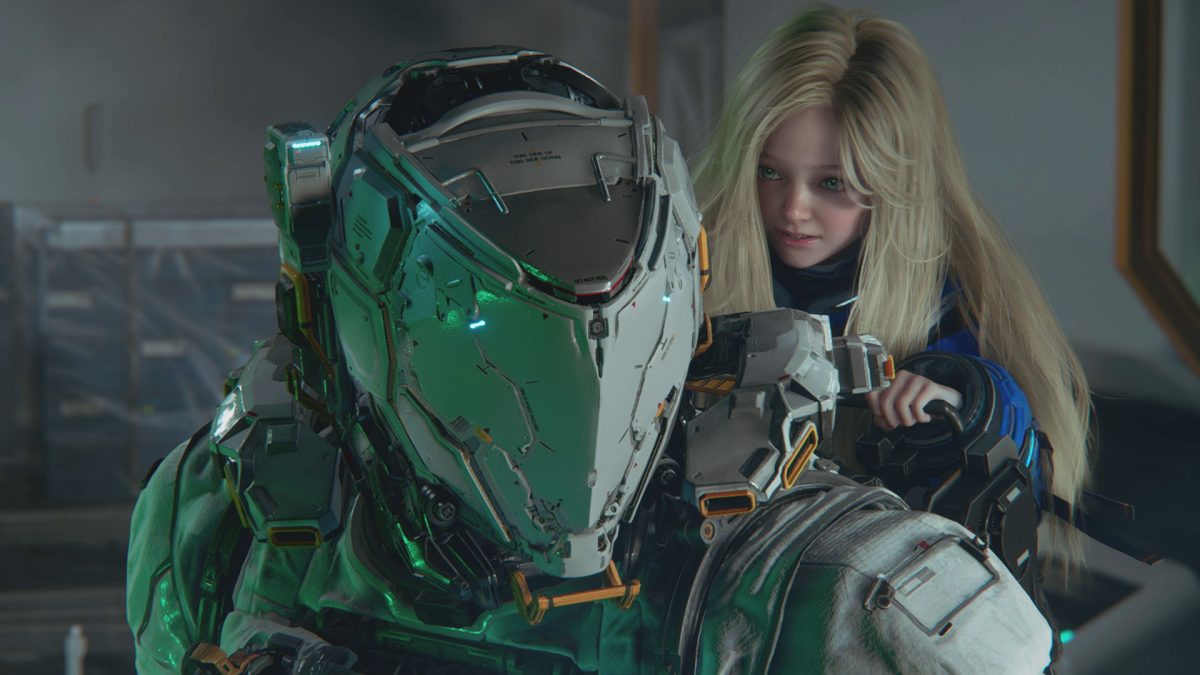
On April 17th, Capcom released “Pragmata,” their highly anticipated new game that hoped to flip the conventions of the third-person shooter genre on its head. The game follows Hugh, an astronaut who was sent to a moon research base with his crew to do a maintenance check. After a moonquake causes the base’s AI system to go rogue, Hugh meets Diana, an android who helps him defeat the robots that have also been corrupted. Their mission is to make contact with Earth, while figuring out the dark history behind the moon base.
The gameplay of “Pragmata” is broken up into two main components: hacking and blasting. Hugh’s weapons have trouble breaking through the hard exteriors of the robots on their own. Luckily, Diana has the ability to reveal enemy weak points by hacking into their systems, prompting players to complete a minigame each time they aim at a bot. This satisfying loop is the basis of which “Pragmata” is built on, making each enemy encounter a frantic multitasking challenge of hack, shoot, and dodge.
The gameplay, however, is not where the controversy surrounding this title stems from. The story is what certain people online have had an issue with, saying that Diana and Hugh’s father-daughter relationship, as well as Diana in general, should not be a part of a video game targeted at a predominantly male audience. The shifting discussion around the game has become increasingly unsettling, with people generalizing anyone who likes the game as a pedophile due to Diana’s childlike appearance, ruining this wholesome game about two unlikely companions becoming family.
The core of “Pragmata’s” story is about Hugh slowly learning to care for Diana, even if she is a robot who doesn’t understand the values that human life holds. This protective instinct the Hugh feels for Diana has extended to those who have played the game, with many expressing how Diana’s adorable antics make them want to start a family. Many scenes of the game feature Diana drawing pictures for Hugh, or playing with toys from Earth for the first time. While this sounds harmless enough on paper, the response to these comments has gone in two completely different directions. Many online have been called out for liking the game due to it featuring a character that looks like a child, while others have been made fun of for wanting to start a family. Common stereotypes surrounding those who play games include their lack of social skills, inability to start meaningful relationships, and that they play titles that feature childlike characters for the wrong reasons. This has given people online many ways in which to make fun of those who play “Pragmata,” harming the once positive conversation surrounding the game.
The comments regarding Diana’s appearance stem from a post made during the early demo stages of the game where someone commented on changes made to her design, saying that covering her up was a form of censorship. This has led to people stating that media targeted at a mainly male oriented audience should not feature children, and that it’s asking for trouble. These statements are puzzling considering how many other forms of media feature child characters with no issue. People having problems with Diana’s character conveys more about their predispositions towards those who play games, rather than their opinions about how children are integrated into entertainment as a whole. People have used a wholesome and heartfelt story to target others for enjoying and connecting with “Pragmata.”
People hoping to one day have a real daughter or family because of “Pragmata” have also been twisted into something completely different. Those who have expressed interest in the ideals of traditional family values have been told that they shouldn’t want these things due to how “unrealistic” they are. Enjoying the familial bonding in “Pragmata’s” story has been undermined if it is not personally relatable to the player, with gamers being told that they are not likely to have a family, so they shouldn’t like the game. This argument is also in service of a narrative that only exists to poke fun at a specific group for their interests, when the types of people who play games keep getting broader. These comments are only being made to make people upset, while also creating a conflict at the expense of a game that should not be involved. With how diverse the audience for games has become, with many families bonding through their love of the medium, these comments hold little to no validity.
What has been coined as a “Pragmata” controversy isn’t actually about “Pragmata” at all. Rather, it is a controversy about people who play games, and the perception of them as a whole. What could have been a feel-good story about how a completely original game brought people together through a wholesome narrative, has been tainted by those who want to use any opportunity to ridicule and mock others for their interests.
Luckily, “Pragmata” has been able to find a vocal audience, selling over two million copies in less than a month, with Capcom already talking about turning it into a franchise. People have also shared stories about how the game has positively impacted them. One player posted about how playing the game has helped him connect with his late daughter, playing it as a form of therapy.
Games, just like any other art form, have the potential to influence people in unique and unexpected ways that can enact meaningful change. Even though some would rather cause commotion over nothing, they will never take away the game’s ability to make someone happy. Video games, at the end of the day, are all about fun, and everyone needs a little fun.