

Over the last decade it has felt as though the United States has been stuck in a time machine. With the rise of far-right ideologies, the reversal of Roe v. Wade, and attacks on minority groups, the U.S. seems to be reversing any human rights strides that it has made in recent decades. The latest of this decline in progress: the Supreme Court’s landmark 6-3 ruling in “Louisiana v. Callais”, overturning parts of the Voting Rights Act of 1965
“Louisiana v. Callais” was originally brought to the Supreme Court after the Louisiana legislature passed a new congressional map, allocating two of the state’s six districts as majority-minority, meaning that within that district, a racial or ethnic minority group comprises over 50% of the population. These maps were challenged by white Louisianans who believed that it was an example of a racial gerrymander. With the Court ruling these maps as unconstitutional, it not only reverses Section 2 of the Voting Rights Act, which prohibits voting practices that discriminate on the basis of race, it also makes the criteria for proving that certain congressional maps are a disadvantage for minority racial groups more difficult.
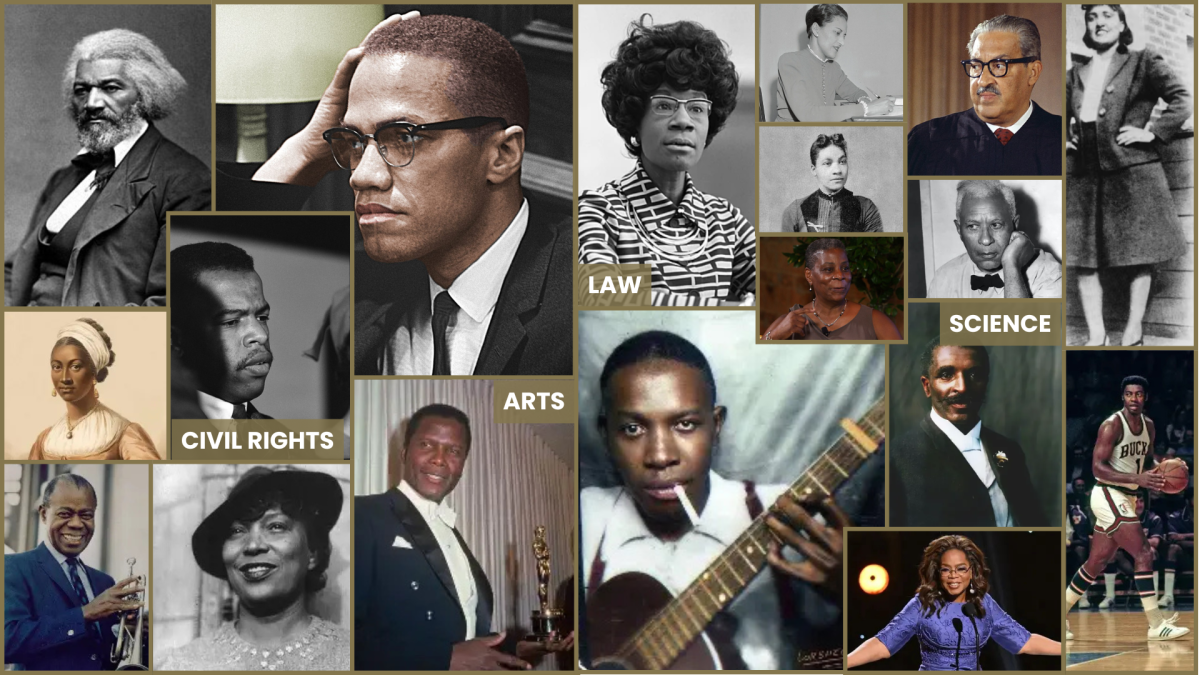
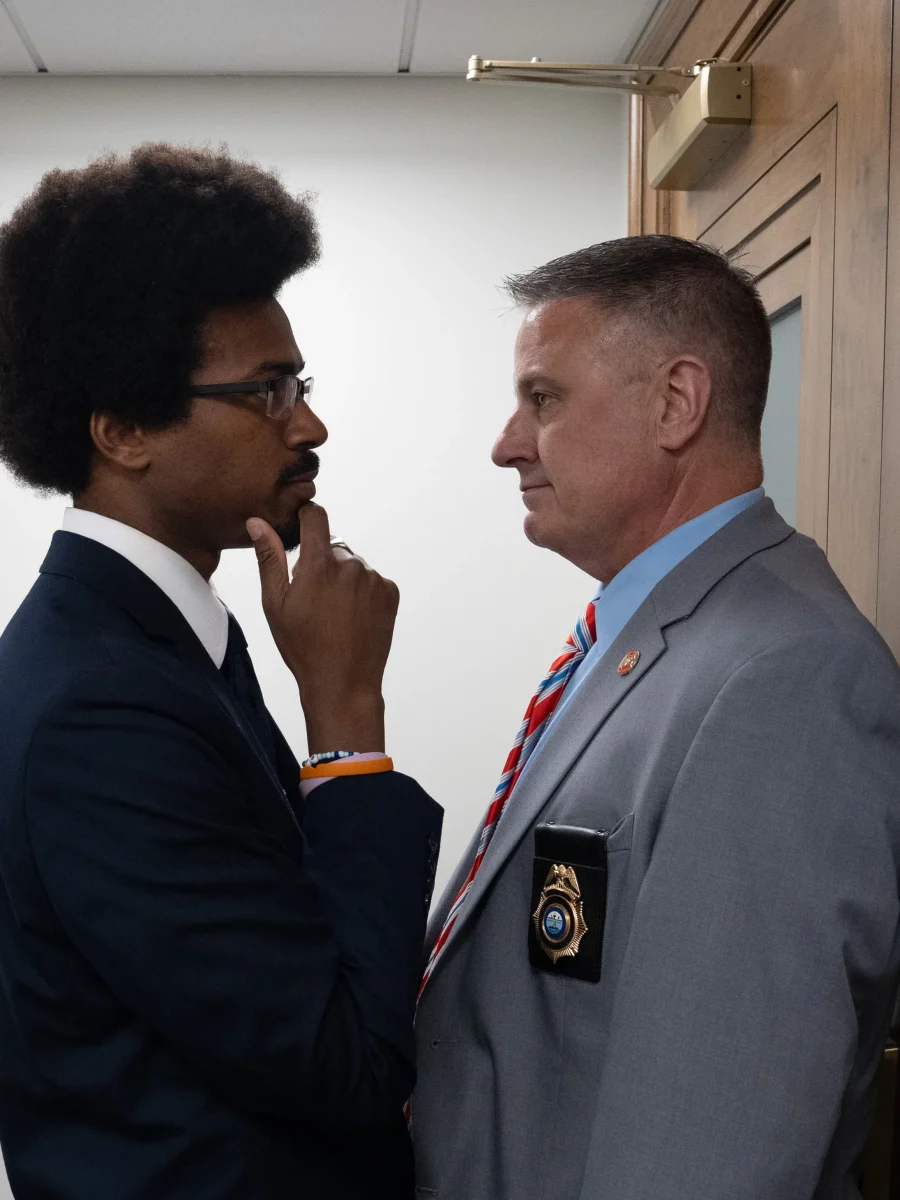
The elimination of the Voting Rights Act has already had immediate impacts on congressional maps beyond Louisiana. On May 7, the Tennessee legislature approved a new map that carved up the state’s only majority Black and Democratic district, silencing minority voices. After this ruling, Louisiana’s governor issued an emergency order to halt all primary House races, as lawmakers scrambled to redraw their congressional district maps as well. With no more protection against Southern states eliminating their majority Black districts, Black voices have the potential to be completely erased in both voting and representation, a direct contrast to the growth of Black members in government and voting numbers since the enactment of the Voting Rights Act. According to the Equal Justice Initiative, since the implementation of the 1982 Section 2 Amendment of the Voting Rights Act, the number of Black elected officials in the U.S. surged from 1,469 in 1970 to more than 10,000 today.
The impact of this ruling stretches far beyond these recent congressional map changes. According to Pew Research Center, 83% of Black voters favor the Democratic Party across the U.S, a proportion that is even higher in the south. With the erasure of majority Black and therefore democratic voting districts throughout the parts of the U.S, some results of the upcoming midterm elections have the potential to be shifted in Republicans’ favor. The current Trump administration is one of the most unpopular presidencies in history, with a 62% disapproval rate, according to the Washington Post. This has caused widespread concern among Republican party leaders about how well their party will perform in the midterms this November, prompting the Trump administration to make up ground anywhere and everywhere, even if it means stripping minority groups of their voting rights and representation. And with a majority conservative and Trump-supporting Supreme Court—six out of nine justices to be exact—this decision was made with the Republican Party in mind, not the Constitution. This decision by the Supreme Court to trample human rights is nothing new, following the recent reversal of Roe v. Wade in 2022, and the Court’s previous takedown of affirmative action in 2023. The Court seems to care more about pleasing Donald Trump and the MAGA movement than protecting its own citizens.
With all of these rulings and flashy headlines, it can feel easy to give up and lose hope for the future of our nation. However, it is incredibly important that Americans use their voices and freedoms while they still can. Vote in the upcoming midterm elections for candidates who use their platforms to uplift human and voting rights, as well as be a voice for those who are silenced and impacted by this ruling. Continue to spread awareness over these acts of injustice and how they impact the nation as a whole through actions like protest and social media posts. Your votes and voices have immense power, so don’t be afraid to use them.